
Prosthetics, Rehabilitation and Amputation Compensation in Scotland
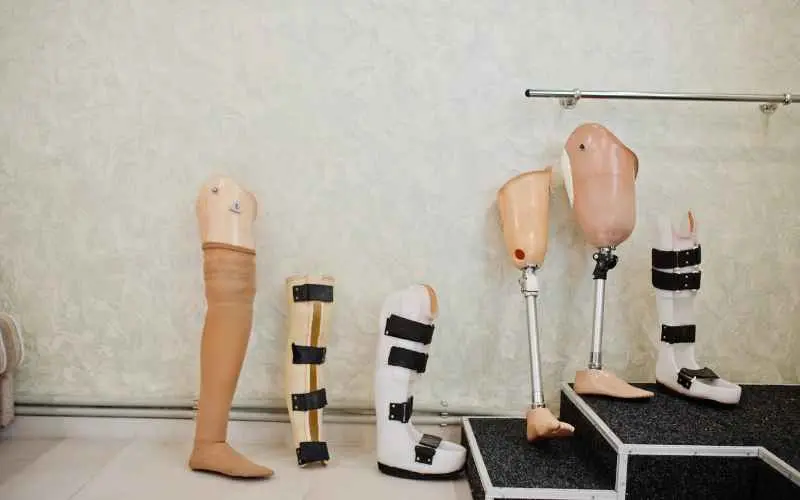
Prosthetics, Rehabilitation and Amputation Compensation in Scotland Contact Us After an amputation, the questions come quickly. Will I walk again? What kind of prosthetic limb will I get? Can I go back to work? Will my home need to change? The answers depend on your injury, your health and your goals. They also depend on what you can afford. That’s where compensation matters most. A well-run claim can fund the prosthetics, therapy and support that help you live the fullest life possible. Contact Us Read Our Guide Table of Contents What NHS Scotland provides? NHS Scotland provides prosthetic care through regional centres, including: WestMARC at the Queen Elizabeth University Hospital in Glasgow, serving the west of Scotland the SMART Centre at the Astley Ainslie Hospital in Edinburgh, serving the south-east MARS at Woodend Hospital in Aberdeen, serving Grampian, Orkney and Shetland Raigmore Hospital in Inverness, serving the Highlands and Western Isles a Tayside service based in Dundee The NHS provides limbs, fitting, repairs and rehabilitation free of charge. The Scottish Specialist Prosthetics Service, run from WestMARC and SMART, can also provide more advanced limbs, such as microprocessor knees, specialist feet and sports limbs, to people who meet strict eligibility criteria. NHS care is often very good. But choice can be limited, waiting times vary, and the most advanced technology isn’t always available to everyone. Private prosthetics through a claim: Compensation can pay for private prosthetics where the evidence shows they’d better meet your needs. That might include: microprocessor-controlled knees and ankles, which adjust to the ground as you walk multi-articulating or bionic hands for upper limb loss custom silicone limbs and fingers, made to look like your own activity limbs for running, swimming or other sports a shower or water limb spare limbs, so you’re not left without one during repairs Prosthetics wear out and need replacing every few years, and sockets need refitting as your residual limb changes. A claim has to cover the cost of all of this over your whole lifetime, including maintenance and repairs. Rehabilitation: Good rehabilitation makes a real difference to outcomes. Compensation can fund: prosthetic physiotherapy and gait training occupational therapy to help with daily tasks psychological support, for trauma, low mood, anxiety or adjusting to a changed body pain management, including for phantom limb pain a case manager to coordinate care and therapies vocational support to help you get back to work or retrain Where the defender accepts fault, insurers can be asked to pay for rehabilitation early in the claim, rather than waiting for settlement. Interim payments of damages can also be requested from the court. Care, home and transport: An amputation can change what you need at home. Compensation can cover: care and assistance, whether from family or paid carers home adaptations, such as ramps, a level-access shower, stairlifts or a downstairs bedroom moving to a more suitable home where adaptations aren’t practical an adapted vehicle, and driving assessments and lessons wheelchairs and mobility aids How future needs are valued? In a claim you’re the pursuer and the party responsible is the defender. Valuing an amputation claim means looking far ahead. Experts usually report on: your medical condition and prognosis, from a consultant in rehabilitation medicine or a surgeon your prosthetic needs, from an independent prosthetist your care and equipment needs your housing needs your earning capacity, from an employment expert Damages include solatium for the injury and its effects, and financial losses for everything above. Future losses can be paid as a lump sum. In some larger claims, part of the award can be paid as regular periodical payments instead, which can give security for lifelong costs. Benefits and support: You may be entitled to benefits from Social Security Scotland, such as Adult Disability Payment, while your claim is ongoing. Some benefits paid because of your injury may be recovered from your compensation by the Compensation Recovery Unit. A large award can affect means-tested benefits, but setting up a personal injury trust can often protect them. Charities such as the Limbless Association and the Scottish charity Finding Your Feet offer peer support and practical advice. Make a Claim Today Our reputation for excellence in personal injury law is unparalleled, having secured over £3 million in compensation for our clients. We are committed to achieving the best possible outcomes, consistently delivering exceptional results and ensuring our clients receive the justice they deserve. Free Claim Check Request A Callback 0333 3051 337 Time limits and no win, no fee You usually have three years from the date of the accident to raise court proceedings. Because future needs take time to assess, getting advice early helps make sure nothing is missed. Higher-value amputation claims are often raised in the Court of Session in Edinburgh. Most amputation claims can be funded through a Success Fee Agreement. If the claim fails, you pay no fee. If it succeeds, the success fee is capped by law at 20% of the first £100,000, 10% of the next £400,000 and 2.5% of anything above £500,000, including VAT. In personal injury claims, outlays such as expert reports and court dues are generally met by the provider, except for any after-the-event insurance premium. Your agreement will set out what you’ll pay. FAQs Do I have to use private prosthetics if I claim? No. It’s your choice. Compensation gives you the option. How often will my prosthetic need replacing? It depends on the limb and how active you are. Experts estimate this when valuing the claim. Can compensation pay for psychological therapy? Yes. Psychological support is often a key part of recovery and can be included. Will compensation affect my benefits? It can affect means-tested benefits, but a personal injury trust can often protect them. Adult Disability Payment isn’t means-tested. Can I get money before the claim settles? Often, yes. Interim payments and early rehabilitation funding can be requested where fault is accepted. Talk to us If you’ve suffered an amputation and want to know what a claim could cover,
Finger and Hand Amputation Claims in Scotland
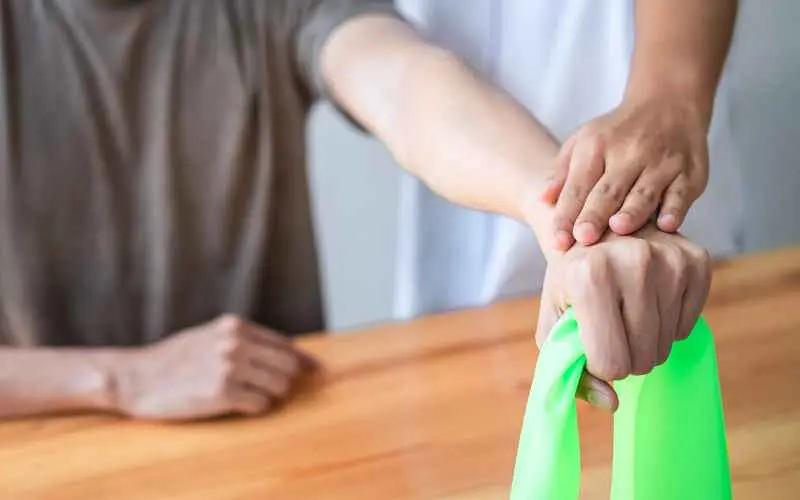
Finger and Hand Amputation Claims in Scotland Contact Us Fingers and thumbs are the most commonly amputated parts of the body. It’s easy to underestimate how much losing one matters until it happens. Doing up buttons, typing, gripping tools, holding a child’s hand: almost everything we do involves our hands. If you’ve lost a finger, thumb or part of your hand because of someone else’s negligence, you may be able to claim compensation for the injury and its effect on your life and work. Contact Us Read Our Guide Table of Contents How finger and hand amputations happen The most common causes we see are: machinery at work: saws, presses, guillotines, rollers, meat slicers and food mixers power tools: circular saws, table saws, angle grinders and nail guns crush injuries from loads, vehicles or closing machinery doors: fingers trapped in the hinge side of heavy doors, a particular risk for children in schools, nurseries, shops and public buildings car doors and tailgates lifting equipment and chains animal bites fireworks and other explosions At work, most of these come down to missing guards, unsafe systems or poor training. Our guide to workplace and machinery amputations covers this in more detail. Can the finger be saved? Where possible, surgeons will try to reattach an amputated finger or thumb. This is called replantation, and it’s specialist microsurgery. In Scotland, hand trauma is treated by plastic surgery units such as Canniesburn at Glasgow Royal Infirmary and St John’s Hospital in Livingston. If a finger can’t be saved, or a reattached finger later fails, a surgical amputation may follow. Both a traumatic amputation and a later surgical amputation can be claimed. What affects the value of a claim? Not all finger amputations are valued the same. The main factors are: which digit was lost. The thumb and index finger matter most for grip and pinch, so their loss is usually valued more highly how much was lost: a fingertip, through a joint, or the whole digit how many fingers were affected your dominant hand, since losing part of it usually has a greater effect ongoing symptoms, such as pain, numbness, sensitivity to cold, stiffness and phantom sensations scarring and appearance, and how you feel about them your job and hobbies, for example if you’re a joiner, chef, musician, mechanic or keen golfer Courts in Scotland look at previous decisions and the Judicial College Guidelines when valuing solatium, the part of compensation for pain, suffering and loss of amenity. Every case is assessed on its own facts. Effects on work and earnings: A hand injury can have a big impact on manual and skilled work. You may need time off for surgery and therapy, be unable to return to the same job, or need to retrain. Compensation can cover lost earnings, both past and future, and the extra costs of retraining. Where you’ve been able to keep working but you’re at a disadvantage in the job market because of the injury, that can also be reflected in the claim. Who is responsible? In a claim, you’re the pursuer and the party responsible is the defender. That might be: your employer, for machinery or tool injuries at work a school, nursery, shop or other building occupier, for finger-trap injuries from doors, under the Occupiers’ Liability (Scotland) Act 1960 a manufacturer, if a defective tool or product was to blame a driver or vehicle owner, in road accidents Finger-trap injuries to children are often preventable with simple hinge guards and door closers. Where a building owner hasn’t fitted them in areas used by children, that can be evidence of negligence. What to do after a hand injury? get medical treatment straight away. If a finger has been severed, follow the paramedics’ advice about keeping it report the accident at work, school or the premises where it happened photograph the machine, tool or door involved get names of witnesses keep a record of time off, therapy appointments and expenses Make a Claim Today Our reputation for excellence in personal injury law is unparalleled, having secured over £3 million in compensation for our clients. We are committed to achieving the best possible outcomes, consistently delivering exceptional results and ensuring our clients receive the justice they deserve. Free Claim Check Request A Callback 0333 3051 337 Compensation, time limits and no win, no fee As well as solatium, damages can cover lost earnings, hand therapy, partial hand prosthetics, help at home and travel costs. You usually have three years from the date of the accident to raise court proceedings. For children, the three years start at 16, though acting sooner is usually better. Claims up to £100,000 start in the sheriff court. Larger claims can go to the Court of Session. Most amputation claims can be funded through a Success Fee Agreement. If the claim fails, you pay no fee. If it succeeds, the success fee is capped by law at 20% of the first £100,000, 10% of the next £400,000 and 2.5% above £500,000, including VAT. In personal injury claims, outlays such as medical reports and court dues are generally met by the provider, except for any after-the-event insurance premium. Your agreement will explain what you’ll pay. FAQs I only lost the tip of my finger. Can I claim? Yes. Partial amputations can still affect grip, sensation and appearance, and can be claimed. My finger was reattached. Can I still claim? Yes. You can claim for the injury, surgery, recovery and any lasting stiffness or loss of feeling. My child’s finger was trapped in a school door. Can we claim? Possibly, if the school didn’t take reasonable care, for example by not fitting finger guards. A parent can claim on the child’s behalf. I’m left-handed and injured my left hand. Does that matter? Yes. Injury to your dominant hand usually has a bigger effect and is reflected in the claim. Can I claim if I’ve gone back to work? Yes. You can still claim for the injury itself and
Workplace and Machinery Amputation Claims in Scotland
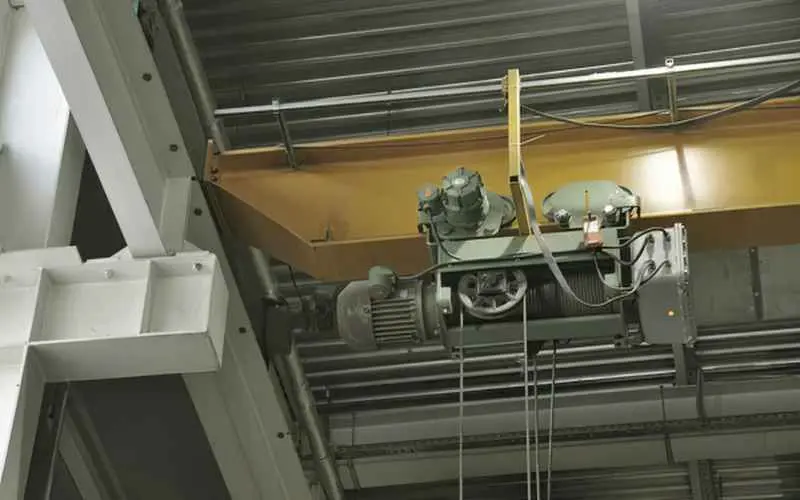
Workplace and Machinery Amputation Claims in Scotland Contact Us Machinery doesn’t stop to check whether a hand is in the way. Rollers, blades, presses and conveyors move with enormous force, and a moment’s contact can take a finger, a hand or an arm. The frustrating thing about most machinery amputations is that they’re preventable. The safeguards are well known, and the law on them is clear. When those safeguards are missing, bypassed or ignored, workers pay the price. In 2025/26, contact with moving machinery caused 10 worker deaths in Great Britain, according to provisional HSE figures. Many more people suffered amputations. These are serious enough that employers must report them to the HSE as specified injuries under RIDDOR. Contact Us Read Our Guide Table of Contents Where machinery amputations happen in Scotland We see amputation claims from a wide range of workplaces: food and drink processing, including fish processing in the North East, meat plants, bakeries and bottling lines manufacturing and engineering works, with presses, lathes, guillotines and robotic cells sawmills and timber yards in the Borders, Highlands and Dumfries and Galloway farms, with power take-off shafts, balers, augers and feed mixers recycling and waste plants, with shredders, balers and conveyors printing and packaging, with rollers and cutting machines construction sites, with saws, mixers and plant How machinery amputations happen? The same situations come up repeatedly: missing or removed guards, often taken off to speed up work or clear jams guards that can be bypassed, such as interlocks taped down or overridden clearing blockages while the machine is still running maintenance or cleaning without isolating and locking off the machine unexpected start-up, when someone restarts a machine while another person is working on it loose clothing, gloves or jewellery caught in rotating parts inadequate training, especially for new or agency staff pressure to keep lines running, so stopping a machine is discouraged What the law requires? The Provision and Use of Work Equipment Regulations 1998 (PUWER) require employers to stop people coming into contact with dangerous parts of machinery. The regulations set out an order of measures: Fixed guards that fully enclose dangerous parts, wherever practicable. Other guards or protection devices, such as interlocked guards that stop the machine when opened, or light curtains. Jigs, holders and push-sticks, so hands stay clear. Information, instruction, training and supervision. PUWER also requires machines to have suitable controls, emergency stops and a way of isolating them from all power sources, so they can’t start unexpectedly during cleaning or maintenance. Many employers use a formal lock-out, tag-out system for this. Since October 2013, a claim has to show negligence rather than relying on a breach of these rules alone. But courts still use PUWER as the standard for judging whether an employer took reasonable care. An unguarded machine is very hard for an employer to defend. Who is responsible? In a claim, you’re the pursuer and the party responsible is the defender. Usually that’s your employer, whose employers’ liability insurer will handle the claim. Other parties may share responsibility: a machine supplier or manufacturer, if the machine was badly designed or supplied without proper guarding a maintenance contractor, if their work left a machine unsafe an agency and the site operator, if you’re an agency worker Under the Employers’ Liability (Defective Equipment) Act 1969, your employer can be liable for a defect in the machine even if it was the manufacturer’s fault. If you were partly at fault: Employers often argue that the injured worker shouldn’t have put their hand in the machine. But guarding exists precisely because people make mistakes, get distracted or are under pressure. If the machine was unguarded, or clearing jams by hand was normal practice, much of the blame usually lies with the employer. If you were partly to blame, your damages may be reduced under the rules on contributory negligence. The claim can still succeed. Evidence that helps: photos of the machine, especially any missing or bypassed guards the machine’s make, model and serial number the accident book entry and any RIDDOR report HSE investigation findings, if the HSE attended training records and safe systems of work statements from colleagues about how the machine was normally used Machines are often repaired or modified quickly after an accident, so early photos matter. Make a Claim Today Our reputation for excellence in personal injury law is unparalleled, having secured over £3 million in compensation for our clients. We are committed to achieving the best possible outcomes, consistently delivering exceptional results and ensuring our clients receive the justice they deserve. Free Claim Check Request A Callback 0333 3051 337 Compensation, time limits and no win, no fee: Damages include solatium for the injury, pain and psychological effects, plus financial losses such as lost earnings, prosthetics, care, rehabilitation and adaptations. You usually have three years from the date of the accident to raise court proceedings. Claims up to £100,000 start in the sheriff court. Higher-value claims, which many amputation claims are, can go to the Court of Session. Most Amputation Compensation claims can be funded through a Success Fee Agreement. If the claim fails, you pay no fee. If it succeeds, the success fee is capped by law at 20% of the first £100,000, 10% of the next £400,000 and 2.5% of anything above £500,000, including VAT. In personal injury claims, outlays such as medical and expert reports and court dues are generally met by the provider, except for any after-the-event insurance premium. Your agreement will set out the details. FAQs The guard had been removed by someone else. Who’s responsible? Your employer is responsible for making sure guards are fitted and kept in place, whoever removed them. I was clearing a jam when it happened. Is it my fault? Not necessarily. Employers should have a safe way to clear jams, including stopping and isolating the machine. I’m an agency worker. Can I claim? Yes. The site operator and the agency can both owe you duties. Will the HSE investigate? Amputations
A Guide on Amputation Compensation Claims Scotland
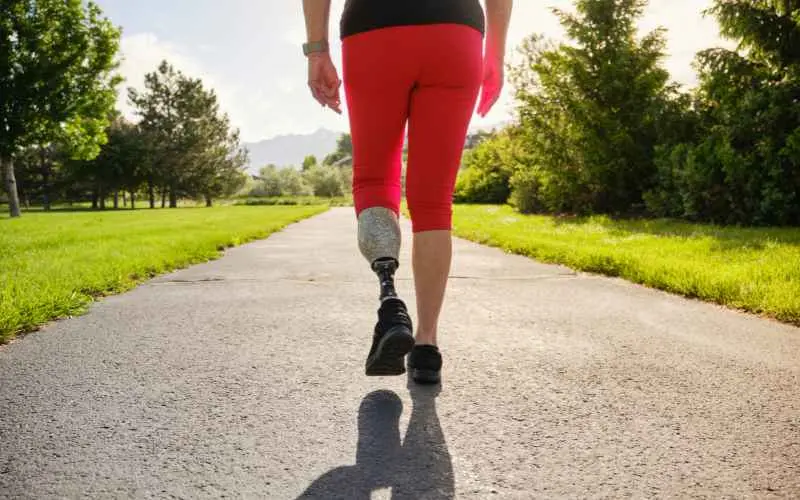
A Guide on Amputation Compensation Claims Scotland Contact Us Losing a limb, or part of one, changes almost everything. How you move, how you work, how you look after your family, even how you feel about yourself. Recovery is long, and the costs, from prosthetics to home adaptations, can last a lifetime. When an amputation was caused by someone else’s negligence, compensation can’t undo what happened. But it can pay for the best possible prosthetics, rehabilitation and support, and make up for the income you’ve lost. This guide explains how amputation claims work in Scotland. Contact Us Read Our Guide Table of Contents What counts as an amputation injury? An amputation claim can involve the loss of: a leg, above or below the knee a foot or toes an arm, above or below the elbow a hand, fingers or a thumb. See our guide to finger and hand amputation claims Amputations can be traumatic, where the limb is lost at the scene of an accident, or surgical, where doctors have to remove a limb later because the injury can’t be saved. Both can lead to a claim. Common causes of amputation claims In our experience, amputation claims usually arise from: workplace accidents, especially with unguarded machinery, presses, saws, conveyors and farm equipment. See workplace and machinery amputations road traffic accidents, particularly motorcycle collisions and pedestrians hit by vehicles crush injuries from vehicles, loads or collapsing structures serious burns, electrical injuries or infections after an accident medical negligence, such as missed infections, delayed treatment of circulation problems or poor diabetic foot care Who can be held responsible? In a claim, you’re the pursuer and the person or organisation you claim against is the defender. That might be: your employer, if the amputation happened at work. Employers must carry employers’ liability insurance a driver, through their motor insurer, after a road accident the occupier of premises where you were hurt, under the Occupiers’ Liability (Scotland) Act 1960 a manufacturer, if a defective product caused the injury Where more than one party was at fault, each can be held liable for the whole of your damages. What compensation can cover? Amputation claims are often among the most valuable personal injury claims, because the effects are permanent. Damages in Scotland are made up of two main parts. Solatium compensates you for the pain, suffering and loss of amenity. It reflects which limb was lost, at what level, any phantom limb pain, psychological effects and how well you’ve adapted. Financial losses can include: lost earnings, past and future, including lost pension private prosthetics and their replacement over your lifetime rehabilitation, physiotherapy and psychological support care and help from family and paid carers home adaptations, or a move to a more suitable home adapted vehicles and mobility aids travel to appointments Our guide to prosthetics, rehabilitation and what compensation covers explains this in more detail. Getting support during the claim: You shouldn’t have to wait until the end of a claim to get help. Where the defender accepts fault, insurers can often be asked to fund rehabilitation early. It’s also possible to ask the court for an interim payment of damages to cover urgent costs. NHS Scotland provides prosthetic services through centres in Glasgow, Edinburgh, Aberdeen, Inverness and Tayside. Compensation can pay for private prosthetics where they’d meet your needs better. Time limits You usually have three years from the date of the accident to raise court proceedings, under the Prescription and Limitation (Scotland) Act 1973. If the amputation happened later, after attempts to save the limb, the three years may run from when you became aware of the injury and its cause. For children, the three years start at 16. Because amputation claims involve future needs that take time to assess, it’s best to get advice early. Make a Claim Today Our reputation for excellence in personal injury law is unparalleled, having secured over £3 million in compensation for our clients. We are committed to achieving the best possible outcomes, consistently delivering exceptional results and ensuring our clients receive the justice they deserve. Free Claim Check Request A Callback 0333 3051 337 Can I claim on a no win, no fee basis? In most cases, yes. Amputation claims in Scotland are usually funded through a Success Fee Agreement. If the claim fails, you don’t pay a fee. If it succeeds, the success fee comes out of your damages. The law caps it at 20% of the first £100,000, 10% of the next £400,000 and 2.5% of anything above £500,000, with VAT included. In personal injury claims, outlays such as medical and expert reports and court dues are generally met by the provider, except for any after-the-event insurance premium. Your agreement should explain exactly what you’ll pay. Amputation claims are often high in value. Larger claims are usually raised in the Court of Session in Edinburgh. Smaller ones start in the sheriff court. FAQs Can I claim if the amputation happened weeks after the accident? Yes. A surgical amputation needed because of an accident injury can be claimed in the same way as a traumatic one. I was partly to blame. Can I still claim? Yes. Your damages may be reduced to reflect your share of the blame, but you can still bring a claim. Will compensation pay for a private prosthetic? It can, where the evidence shows a private prosthetic would better meet your needs. How long does an amputation claim take? Often a few years, because your long-term needs have to be clear before settlement. Interim payments can help in the meantime. Can I claim for phantom limb pain? Yes. Phantom limb pain and other ongoing symptoms are part of the injury and form part of the solatium award. Talk to us If you or someone close to you has suffered an amputation in Scotland, call us free on 0333 3051 337. We’ll listen and explain your options clearly. This guide is general information, not legal advice for your circumstances.